About HOPIET-UG
Addressing Uganda's Evolving Health Landscape
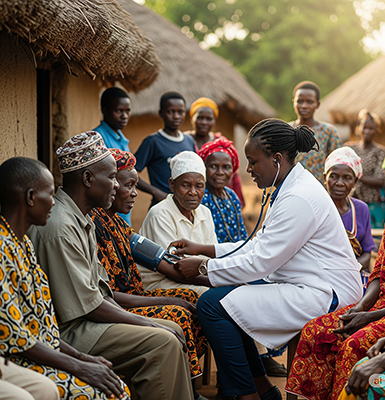
Uganda is currently navigating a pivotal period of epidemiological transition, as evidenced by the recent STEPS survey 2023, which highlights a concerning increase in Non- Communicable Disease (NCD) risk factors. This shift is intrinsically linked to the nation's ambitious journey from a low-income to a middle-income country, a core tenet of the Uganda Vision 2040. As living standards improve and lifestyles change, so too do the health challenges faced by our communities.
Download AbstractOur Vision: A Healthier Future, Rooted in Research and Community
Generate robust evidence
Establish a baseline understanding of environmental determinants of NCDs and track their evolution over time
Provide longitudinal care
Implement a life-course approach, following individuals from birth to end-of-life, utilizing Electronic Health Records (EHR) to document vital health indicators, including births, deaths, and disease incidence
Deliver impactful interventions
Provide targeted health education, facilitate access to essential medication, and ensure seamless referral to higher centers of care when necessary
Inform national policy
Translate research findings into actionable recommendations to guide national NCD prevention and control strategies
Area of Study
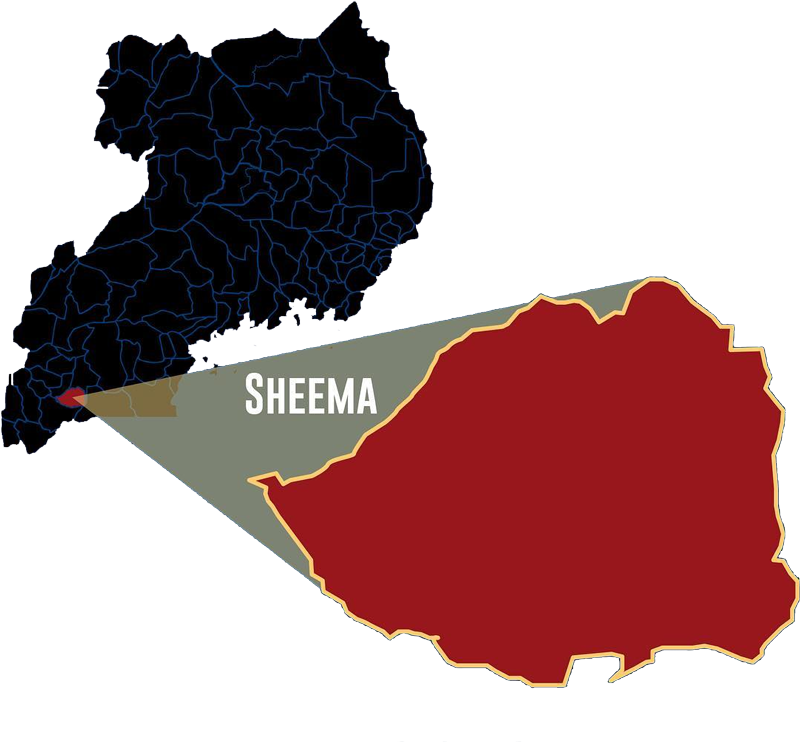
At HOPIET-UG, we recognize the urgent need for comprehensive, data-driven interventions to mitigate the escalating burden of NCDs. We have chosen Sheema District, with its population of 252,275 (113,043 males and 139,232 females), as a vital microcosm for developing and demonstrating a holistic intervention model. Our project, "The Health of A Population in Epidemiological Transition (HOPIET-UG)," is a pioneering initiative aimed at understanding, preventing, and managing NCDs within this evolving context.
Our Infrastructure: A Dedicated Hub for Health Research
We are proud to announce that HOPIET-UG has established its dedicated premises at Kabwohe Health Centre IV in Sheema District. This two-storied structure, specifically designed for research activities, is nearing completion and will serve as the central hub for all project operations. Its strategic location within a community health facility underscores our commitment to integrating research directly into real-world healthcare settings. (Refer to the website for a visual representation of the facility's design.)
Volunteer